


Knowing the psychological factors at work in a poker game will greatly improve your ability to read opponents and choose the best course of action. This book explores the psychological side of poker, providing information on how to spot player decision-making processes, trends, and behavioural clues. You may enhance your overall strategy and your ability to predict movements in the game by studying these psychological concepts and cultivating a stronger sense of intuition.
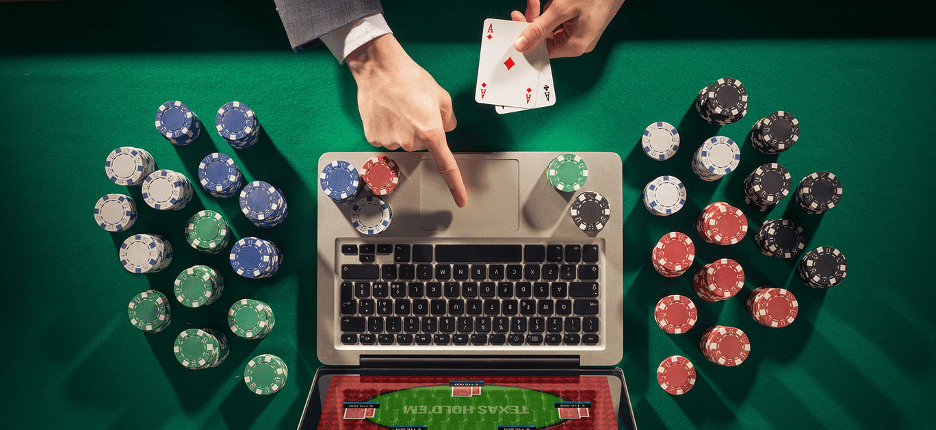
The Rise and Popularity of Poker in Online Casinos
Numerous classic activities have been altered by the digital revolution; one such example is the return of poker on internet platforms. Players from all over the world may now compete at any skill level, anywhere, at any time, thanks to the democratisation of gaming access brought about by online casinos.
Due to its accessibility, poker has become more and more popular, attracting more players and a larger community. An extensive list of PayID casino online in Australia provides gamers wishing to get in on the action with a simple place to start when searching for trustworthy websites.
The Psychological Aspect of Poker
The Mindset of a Poker Player
A calm, focused, and flexible mentality is essential for success in poker. Gamers need to be able to maintain composure under duress while simultaneously assessing their own hand, the odds, and the actions of their opponents. They are able to make deliberate decisions instead of impulsive ones because of their mental calm.
It’s also essential to have the patience to wait for the ideal opportunity to act, as well as a good awareness of risk vs return. Developing this attitude entails ongoing education and introspection to enhance players’ psychological fortitude as well as their playing strategies.
The Role of Confidence and Bluffing
In poker, confidence is a tactical front and a personal support system. A confident player is better able to manage the speed of the game, sway opponents’ opinions, and carry out bluffs with greater conviction. A crucial part of poker is bluffing, which is the art of deceiving opponents about the strength of one’s hand by exuding confidence.
When applied skilfully, this psychological trick can transform an unfavourable hand into a winning one. But being overconfident can result in predictable and exploitable behaviour, so long-term success requires striking a balance.
The Impact of Tilt
In poker terms, tilt is a condition of emotional dissatisfaction or perplexity that results in less than ideal performance. It frequently happens following a string of losses or poor beats, leading players to make rash judgements motivated more by emotion than by strategy. Tilt can have a significant psychological influence as it rapidly erodes the focus and self-control required for effective performance.
It’s critical to identify the early indicators of tilt, which include dissatisfaction, chasing losses, and deviating from one’s typical playing approach. Players may reduce losses and resume logical gameplay by putting techniques to control their emotions and restore calm into practice.
Reading Your Poker Opponents
Observing Physical Tells
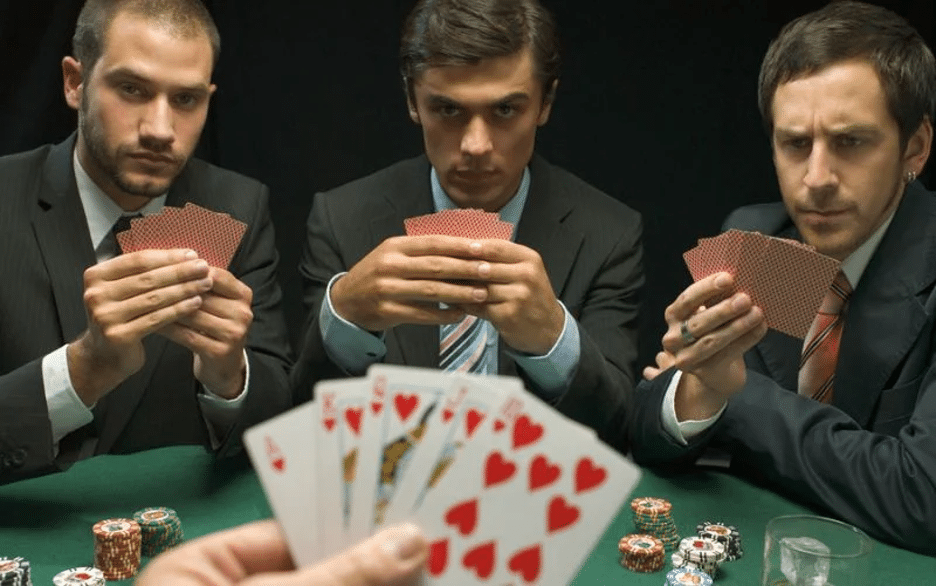
Physical tells are imperceptible, uncontrollable reflexes that reveal information about the hand strength and general strategy of an opponent. Modifications in hand motions, facial expressions, and body posture are important indicators. A player may have a good hand if they abruptly sit up straight or begin tapping their fingers, but they may also be unsure of their cards if they avoid making eye contact.
Extensive observation and practice are necessary to become proficient in interpreting these bodily signals. Players can obtain important information that influences their betting decisions by remaining vigilant and observing irregularities in the actions of their rivals.
Behavioral Patterns
In poker, behavioural patterns are the recurring behaviours and responses that players display in different game scenarios. These patterns can disclose a player’s usual betting strategy, including how they handle bluffing, how they wager with strong vs weak hands, and how they behave under pressure.
Through monitoring these patterns over several rounds, a player may forecast what will happen next and modify their approach appropriately. This ability to forecast the future is especially helpful in extended games or tournament settings when knowing opponents’ patterns of play can yield substantial strategic benefits.
Understanding Opponents’ Personalities
Poker opponents’ personality may have a big impact on how they play and make decisions. While more cautious players typically wait for solid hands before making big plays, aggressive players may regularly bet and raise in an effort to control the action. Identifying these personality traits might assist in creating counterstrategies that work.
Bluffing, for instance, might work better against a player who is inherently risk-averse than against one who enjoys taking chances. Understanding stress reactions and emotional triggers can also give hints that can be used to an advantage, allowing a player to influence the course of the game to their advantage.
Practical Tips for Improving Your Psychological Game
Exercises and Practices
Developing your psychological game in poker requires a range of mental workouts and useful techniques that you may use into your everyday life and games. By improving emotional regulation and focus, meditation and mindfulness can lessen emotional turbulence and improve judgement under duress.
Your ability to read opponents and predict their movements can also be enhanced by regular practice with various circumstances. Establishing reasonable objectives for gameplay and going over previous games can assist in determining psychological weak points and strong points, allowing for targeted development. Furthermore, practicing in virtual games or with poker software may offer a risk-free setting for honing tactics and strengthening mental toughness.
Books and Resources
There are tonnes of books and other materials out there that may help you improve your mental game when playing poker. Books like Jared Tendler’s “The Mental Game of Poker” offer strategies for controlling tilt, enhancing focus, and dealing with unpredictability. Mike Caro’s book “Caro’s Book of Poker Tells” provides a thorough examination of identifying physical indicators in opponents.
Though not specifically related to poker, Daniel Kahneman’s “Thinking, Fast and Slow” provides insightful analysis of decision-making processes that may be applied to the game of poker for a more comprehensive grasp of psychological strategy. Furthermore, coaching sessions, instructional videos, and internet forums are priceless tools for learning and debating methods with professionals and other players.